
Artistic Mortality and the Desire to Matter
The Andy Warhol DiariesThis thread follows Warhol’s fear of decline and death alongside his persistent effort to keep making work, meeting new people, and leaving a record.
increasing Bearing strength in each event
 decreasing
Bearing strength in each eventdecreasingDeath in the Background
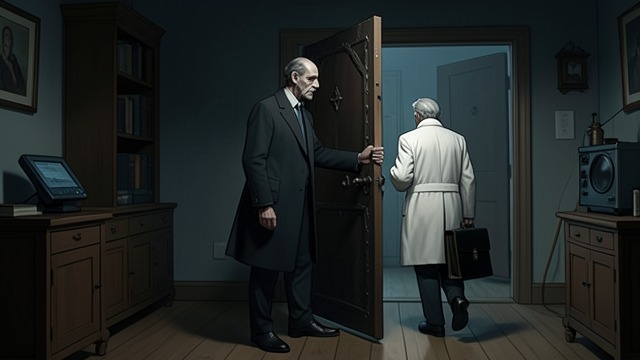
Death in the Background
Survival changes perspective
Warhol’s near-fatal shooting made him think of himself as a man returned from the dead.
Health worries, cancer fears, and medical appointments repeatedly brought mortality into ordinary life.
Living cautiously
He tried to protect himself while continuing to work, socialize, travel, and take risks.
Work Against Obsolescence
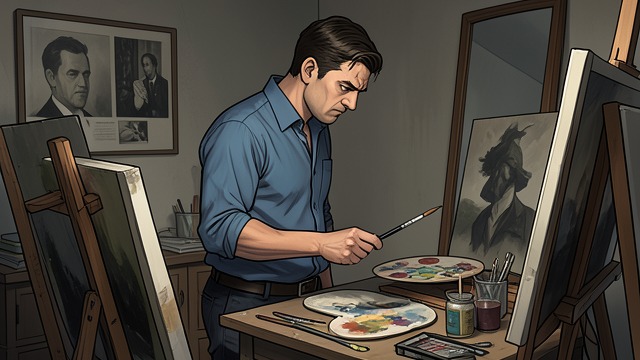
Work Against Obsolescence
Staying in circulation
Warhol continued to paint, publish, photograph, and appear in public, using new projects to remain visible.
The work connected him to younger artists and audiences even as he worried about being passé.
The pressure to continue
His productivity reflected both ambition and fear that stopping would make him disappear.
The Fifteen-Minute Idea
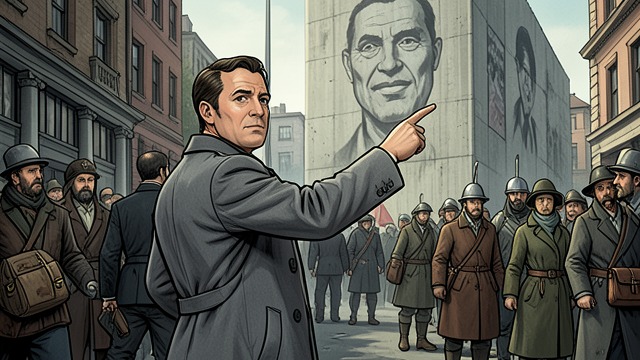
The Fifteen-Minute Idea
A phrase becomes a legacy
Warhol’s comment about everyone becoming famous for fifteen minutes was repeatedly quoted and altered by television presenters and journalists.
He noticed how public culture turned a fleeting remark into a lasting slogan.
Fame and mortality
The phrase echoed his awareness that recognition can arrive suddenly and disappear just as quickly.
The Old Images Return
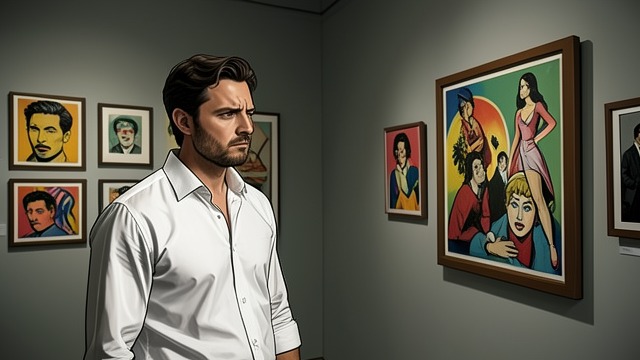
The Old Images Return
Repetition becomes contested
Warhol returned to familiar Pop images even as critics and collectors argued over whether his art was still new.
The market could praise an old image while reviewers dismissed a new exhibition as repetition.
Art as survival
Continuing to work became a way of refusing the idea that his artistic life had already peaked.
An Unfinished Future
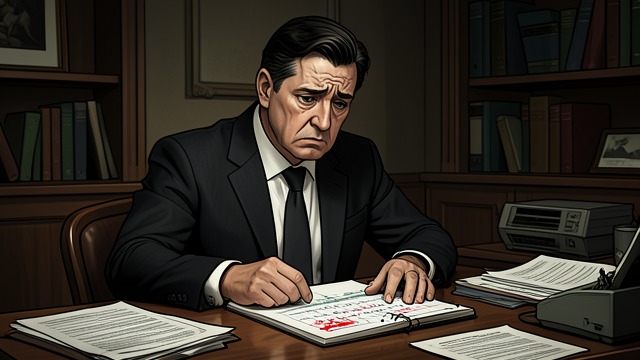
An Unfinished Future
Continuing to plan
Warhol pursued portraits, collaborations, books, and exhibitions even while facing illness and uncertainty.
He remained concerned with money, health, and what other people would say about his work.
The record closes
His sudden death left plans unfinished, while the diary preserved the tension between work, fame, and vulnerability.
After 1968
1970s–1980s
Early 1980s
1980s
1986–February 1987
